Acne is one of the most common skin conditions affecting teenagers and adults worldwide. From mild blackheads to painful cystic outbreaks, acne can damage skin health, reduce confidence, and leave permanent scars when not treated properly. Understanding the exact causes of acne and using the most effective treatments can dramatically improve skin texture and prevent future breakouts.
In this comprehensive guide, we cover everything about acne causes, symptoms, prevention methods, medical treatments, natural remedies, and professional skincare solutions for achieving long-lasting clear skin.
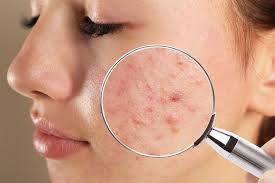
What Is Acne?
Acne is a chronic inflammatory skin condition that develops when hair follicles become clogged with oil, dead skin cells, and bacteria. It commonly appears on the face, forehead, chest, shoulders, and back because these areas contain a high concentration of oil-producing sebaceous glands.
Acne ranges from mild to severe and may include:
- Whiteheads
- Blackheads
- Papules
- Pustules
- Nodules
- Cystic acne
Without proper treatment, acne can lead to dark spots, hyperpigmentation, and permanent scarring.
Main Causes of Acne
Understanding the root causes of acne is essential for effective treatment.
Excess Oil Production
Sebaceous glands naturally produce sebum to lubricate the skin. When these glands produce excessive oil, pores become clogged, creating an ideal environment for acne formation.
Oily skin significantly increases the risk of recurring breakouts, especially in humid climates and during hormonal changes.
Hormonal Imbalances
Hormones are one of the leading causes of acne. Increased androgen levels stimulate oil glands, causing excessive sebum production.
Hormonal acne commonly occurs during:
- Puberty
- Menstruation
- Pregnancy
- Menopause
- Polycystic Ovary Syndrome (PCOS)
- Stress-related hormonal fluctuations
Adult hormonal acne often appears along the jawline, chin, and neck.
Clogged Hair Follicles
Dead skin cells can accumulate inside pores and mix with oil, forming plugs that trap bacteria beneath the skin surface. This blockage creates whiteheads and blackheads.
Poor exfoliation and heavy cosmetic products can worsen clogged pores.
Bacterial Growth
The bacterium Cutibacterium acnes (formerly Propionibacterium acnes) naturally exists on the skin. When trapped inside clogged pores, bacteria multiply rapidly, causing redness, inflammation, swelling, and pus-filled pimples.
Inflammation
Inflammation is responsible for painful acne lesions such as nodules and cysts. Inflammatory acne often leads to severe scarring if untreated.
Chronic inflammation may be triggered by:
- Stress
- Poor diet
- Smoking
- Sleep deprivation
- Environmental pollution
Genetics and Family History
Genetics strongly influence acne severity. Individuals with parents who suffered from severe acne are more likely to experience persistent or cystic acne themselves.
Inherited factors include:
- Skin type
- Hormonal sensitivity
- Sebum production rate
- Inflammatory response
Diet and Acne
Certain foods may contribute to acne flare-ups in sensitive individuals.
Common dietary triggers include:
- High-sugar foods
- Refined carbohydrates
- Dairy products
- Fast food
- Processed snacks
- Sugary beverages
A low-glycemic diet rich in vegetables, lean proteins, and antioxidants may help reduce inflammation and improve skin clarity.
Stress and Acne Breakouts
Stress increases cortisol production, which stimulates oil glands and worsens acne inflammation. Chronic stress can make acne harder to control and slow the healing process.
Stress-related habits like touching the face or poor sleep also contribute to breakouts.
Types of Acne
Different forms of acne require different treatment approaches.
Whiteheads
Whiteheads are closed clogged pores covered by a thin layer of skin. They appear as small white bumps.
Blackheads
Blackheads are open clogged pores exposed to air, causing oxidation and dark coloration.
Papules
Papules are small red inflamed bumps without pus. They can be tender to touch.
Pustules
Pustules are inflamed pimples filled with pus and often appear red with a white center.
Nodules
Nodules are large, painful lumps deep beneath the skin surface. They usually require medical treatment.
Cystic Acne
Cystic acne is the most severe type. It causes deep painful cysts filled with pus and frequently leaves permanent scars.
Best Acne Treatments
Effective acne treatment depends on the severity and underlying cause.
Topical Retinoids
Retinoids unclog pores, increase skin cell turnover, and reduce inflammation. They are among the most effective treatments for acne and acne scars.
Common retinoids include:
- Retinol
- Tretinoin
- Adapalene
- Tazarotene
Retinoids also improve skin texture and reduce fine lines.
Benzoyl Peroxide
Benzoyl peroxide kills acne-causing bacteria and reduces inflammation. It is highly effective for mild to moderate acne.
Available in:
- Cleansers
- Creams
- Spot treatments
- Gels
Regular use helps prevent new breakouts.
Salicylic Acid
Salicylic acid penetrates deep into pores and removes excess oil and dead skin cells. It is especially useful for blackheads and whiteheads.
Benefits include:
- Gentle exfoliation
- Reduced pore congestion
- Improved skin texture
- Lower inflammation
Antibiotics for Acne
Topical and oral antibiotics reduce bacterial growth and inflammation.
Common options include:
- Clindamycin
- Doxycycline
- Minocycline
Antibiotics are typically combined with other treatments to avoid resistance.
Hormonal Therapy
Hormonal acne often responds well to medications that regulate hormone levels.
Treatment options include:
- Birth control pills
- Spironolactone
- Anti-androgen therapy
These treatments are particularly effective for adult women with persistent acne.
Isotretinoin for Severe Acne
Isotretinoin is a powerful oral medication used for severe cystic acne that does not respond to other treatments.
Benefits include:
- Long-term acne remission
- Reduced oil production
- Prevention of severe scarring
Due to potential side effects, isotretinoin requires medical supervision.
Natural Remedies for Acne
Natural treatments may support traditional acne therapies when used correctly.
Tea Tree Oil
Tea tree oil has antibacterial and anti-inflammatory properties that may help reduce mild acne.
Always dilute before applying to the skin.
Aloe Vera
Aloe vera soothes irritated skin and promotes healing. It may reduce redness and inflammation.
Honey Masks
Raw honey contains antimicrobial compounds that can help calm acne-prone skin.
Green Tea Extract
Green tea contains antioxidants that reduce oil production and inflammation.
How to Prevent Acne
Preventing acne requires consistent skincare and healthy lifestyle habits.
Wash the Face Properly
Use a gentle cleanser twice daily to remove excess oil, dirt, and bacteria without over-drying the skin.
Avoid harsh scrubbing, which can worsen inflammation.
Choose Non-Comedogenic Products
Use skincare and makeup products labeled:
- Oil-free
- Non-comedogenic
- Lightweight
Heavy products can clog pores and trigger breakouts.
Avoid Touching the Face
Hands transfer bacteria and oils onto the skin. Picking or squeezing pimples increases the risk of infection and scarring.
Maintain a Healthy Diet
A balanced diet rich in vitamins, antioxidants, and omega-3 fatty acids supports healthier skin.
Recommended foods include:
- Leafy greens
- Fish
- Nuts
- Fruits
- Whole grains
Stay Hydrated
Proper hydration helps maintain skin balance and supports natural detoxification processes.
Manage Stress Levels
Stress management techniques can improve hormonal balance and reduce acne flare-ups.
Helpful methods include:
- Meditation
- Exercise
- Yoga
- Adequate sleep
Acne Scars and Their Treatment
Acne scars develop when inflammation damages skin tissue.
Common scar types include:
- Ice pick scars
- Boxcar scars
- Rolling scars
- Post-inflammatory hyperpigmentation
Best Treatments for Acne Scars
Chemical Peels
Chemical peels exfoliate damaged skin layers and stimulate new cell growth.
Microneedling
Microneedling boosts collagen production and improves skin texture.
Laser Resurfacing
Laser treatments reduce deep scars and improve overall skin tone.
Dermal Fillers
Fillers temporarily elevate depressed acne scars for smoother skin.
When to See a Dermatologist
Professional treatment is recommended if acne:
- Causes painful cysts or nodules
- Leaves scars
- Does not improve with over-the-counter products
- Affects emotional well-being
- Continues into adulthood
Dermatologists can create personalized treatment plans based on skin type and acne severity.
Best Daily Skincare Routine for Acne-Prone Skin
Morning Routine
- Gentle cleanser
- Salicylic acid or benzoyl peroxide treatment
- Lightweight moisturizer
- Broad-spectrum sunscreen SPF 30+
Night Routine
- Cleanser
- Retinoid treatment
- Hydrating moisturizer
Consistency is essential for visible improvement.
Common Acne Myths
Myth: Acne Is Caused by Dirty Skin
Acne is primarily driven by hormones, oil production, inflammation, and genetics — not poor hygiene.
Myth: Sun Exposure Clears Acne
Excessive sun exposure can worsen inflammation and increase pigmentation.
Myth: Toothpaste Removes Pimples
Toothpaste may irritate and damage the skin barrier.
Conclusion
Acne is a complex skin condition influenced by hormones, genetics, inflammation, bacteria, diet, and lifestyle factors. Successful acne treatment requires a combination of proper skincare, targeted medications, healthy habits, and consistency.
Early intervention is critical for preventing scars and maintaining long-term skin health. By understanding the real causes of acne and using scientifically proven treatments, clear and healthy skin becomes achievable for most individuals.